A Power-Outage Checklist That Isn't Scary
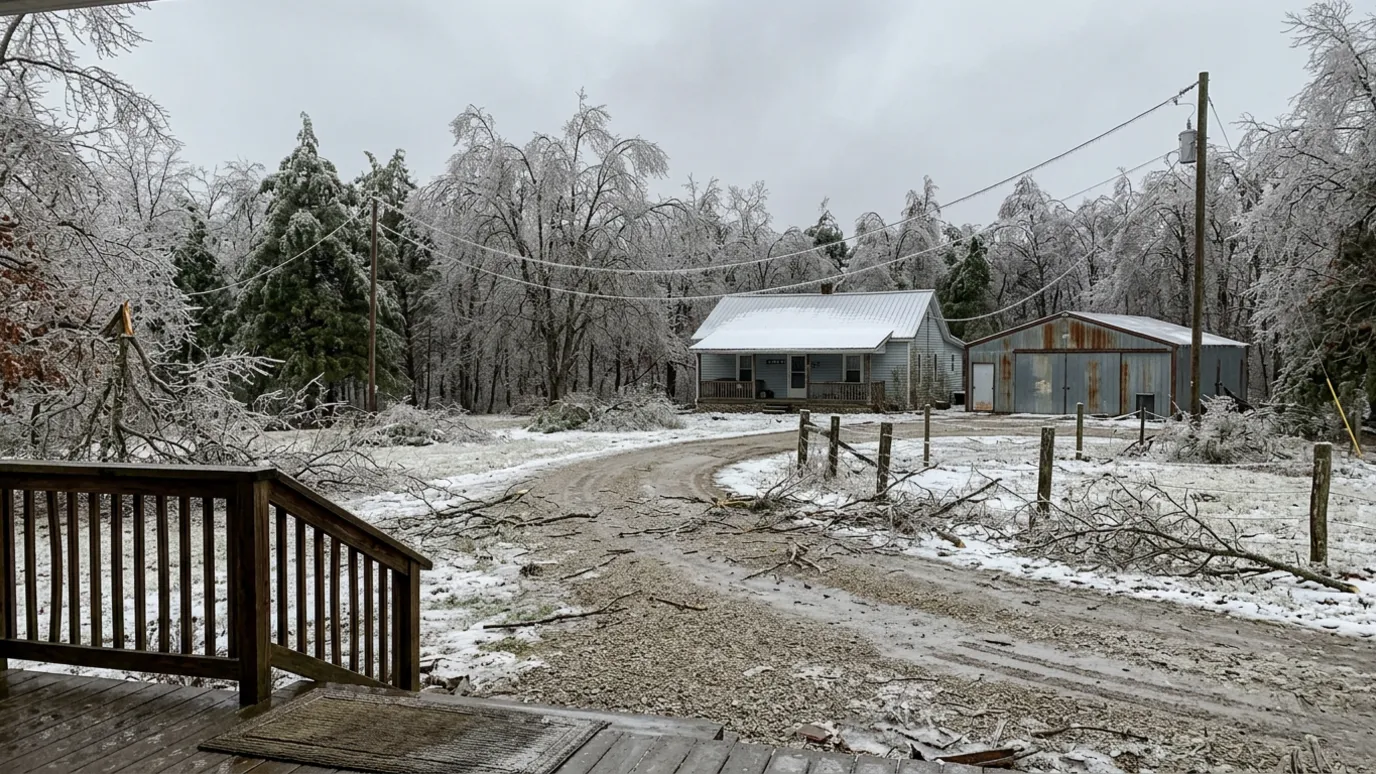
Last January my truck wouldn’t start. It was nine degrees, and the old F-150 just clicked at me. I stood there in the driveway, coffee going cold, thinking about how much of life depends on things working when you turn the key.
Power is the same way. We don’t think about it until it’s gone.
Now, I’m not going to tell you the grid is about to collapse. It isn’t. Most power outages are a few hours. A bad one might be a few days. That’s an inconvenience, not the end of the world.
But a little planning turns a rough few days into a long weekend with flashlights. Here’s the checklist we keep taped inside the pantry door.
Before it happens
Light
- Flashlights or LED lanterns, one per person, plus spares. Headlamps are handy because they leave both hands free.
- Extra batteries in the right sizes.
- Skip the candles if you can. They’re a real fire risk, especially with kids and dogs around. If you do use them, never leave them alone.
I check every flashlight and battery twice a year, when the clocks change. Takes two minutes.
Information
- A battery-powered or hand-crank radio. A weather radio is even better.
- Sign up for your county’s emergency alerts on your phone.
Phones and power
- A couple of charged battery packs for phones.
- A car charger. Your vehicle is a generator on wheels, as long as you run it outside, never in a closed garage.
Water and food
- Water stored ahead. See Storing Water When You Live on a Well.
- A few days of food that doesn’t need cooking or a fridge.
- A manual can opener. Linda would like it noted that she reminded me of this.
Everything else
- Some cash. Card readers don’t work without power.
- Keep your vehicle’s gas tank at least half full.
- Medications. If anyone in your house uses medicine that needs to stay cold, or medical equipment that needs power, talk with your doctor or pharmacist now about a plan. That’s their department, not mine.
- Know how to open your garage door by hand. There’s a red pull cord on most openers.
When the lights go out
- Check if it’s just you. Look at the neighbors’ houses. Check your breaker panel. Then report the outage to your power company.
- Unplug the expensive stuff. TVs, computers, and the like. Power can come back with a surge. Leave one lamp switched on so you’ll know when it’s back.
- Keep the fridge and freezer shut. This is the big one. Food-safety guidance from the USDA says a closed fridge keeps food safe for about 4 hours. A full freezer holds about 48 hours, and a half-full one about 24. Every time you open the door, you lose cold.
- Put appliance thermometers in both. Then you’ll know, instead of guessing, whether the food stayed cold enough. When in doubt, throw it out.
Staying warm
In winter, close off rooms you don’t need and gather everybody in one. Hang blankets over doorways. Layer up, wear a hat, and keep everybody fed and drinking water.
Never use a gas stove, oven, grill, or camp stove to heat your house. They all make carbon monoxide. Grills and camp stoves are for outside only.
If you heat with wood, like we do in the shop, keep that chimney clean and inspected.
Generator rules I won’t bend
A generator is a good tool. It’s also the most dangerous thing on this list if it’s used wrong. Generator exhaust is full of carbon monoxide. You can’t see it or smell it, and it can kill in minutes.
These aren’t suggestions:
- Never run a generator indoors. Not in the house, the basement, or the crawlspace.
- Never run it in a garage, even with the big door open. Open doors are not enough.
- Set it outside, well away from the house. The CDC says at least 20 feet from doors and windows, with the exhaust pointed away. Watch out for windows that are open, and for your neighbor’s house too.
- Install battery-powered carbon monoxide alarms on every level of your home, near the bedrooms. Test them.
- Never backfeed by plugging the generator into a wall outlet. Use heavy-duty outdoor extension cords to run appliances. Or have a licensed electrician install a transfer switch.
- Shut it off and let it cool before refueling. Gas on a hot engine is how fires start.
- Keep it dry. Run it on a dry surface, under an open canopy if it’s raining.
If anybody starts feeling dizzy, sick, or weak while a generator is running, get everybody into fresh air right away and call 911.
When the power comes back
Plug things back in a few at a time. Check the fridge thermometers. Restock any batteries you used. And write down what you wish you’d had. That’s your list for next time.
That’s it
You don’t need a bunker. You need flashlights that work, water on a shelf, food you can eat cold, and the patience to play cards by lantern light for an evening or two.
Honestly, some of our best family evenings have been during outages. No phones, no TV. Just a deck of cards, a lantern, and Buck snoring by the stove.
Prepared, not scared.
Keep your tools sharp, — Dale
Dale’s notes
Get Dale's shop notes by email
Short notes from the shop: projects, fixes, and calm ways to be ready. Plain talk, no spam, and you can unsubscribe anytime.
No spam. Unsubscribe anytime. See the Privacy Policy.